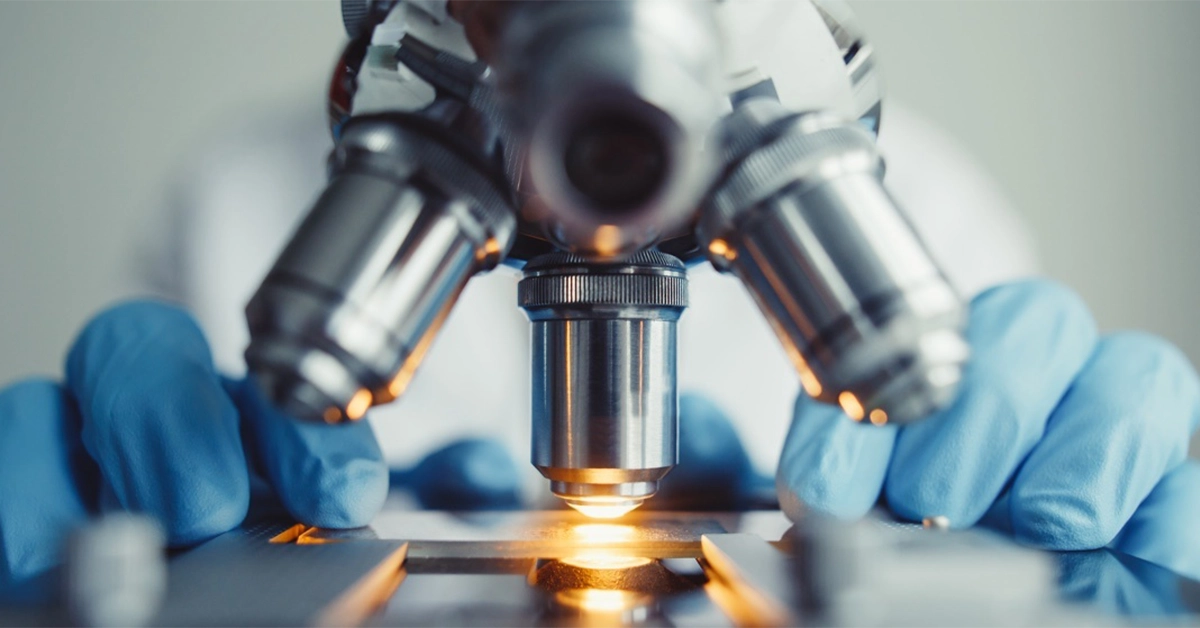
A Practical Guide to Human Biospecimens: Types, Formats, and Research Applications

GUIDE

Biospecimens

Human biospecimens are foundational to modern drug discovery. From early-stage research through translational and clinical development, they provide the most direct way to study human biology, disease mechanisms, and therapeutic response.

But not all biospecimens are created equal.

Understanding the type, format, and intended application of a sample is critical to designing effective studies—and avoiding costly downstream issues.

What Is a Biospecimen?

A biospecimen includes any biological material used for research, such as:

  • Tissue (tumor or normal)
  • Blood and other biofluids
  • Cells (e.g., PBMCs, tumor cells)
  • DNA, RNA, and proteins

These materials may be used immediately in experiments or stored in biorepositories for future research.

Why Specimen Selection Matters

Choosing the wrong specimen format can compromise results—no matter how strong the study design.

The right selection impacts:

  • Data quality and reproducibility
  • Assay compatibility
  • Biomarker discovery success
  • Translational relevance

In short: specimen strategy is experimental strategy.

Tissue Specimens: Formats and Use Cases

FFPE (Formalin-Fixed, Paraffin-Embedded)

Best for: Histology, IHC, FISH, and many clinical assays

  • Standard format for pathology and diagnosis
  • Suitable for mutation analysis and biomarker studies
  • Long-term storage, but nucleic acid quality can degrade over time

Key considerations:

  • Block age (ideally <3–5 years for molecular work)
  • Tumor content (typically >30–50%)
  • Necrosis levels

Snap-Frozen (Flash-Frozen)

Best for: DNA, RNA, and protein analysis

  • Preserves molecular integrity better than FFPE
  • Enables high-quality genomic and proteomic studies

Trade-off:

  • Limited visibility into tumor composition unless paired with mirrored FFPE

Fresh Tissue

Best for: Functional assays and microenvironment studies

  • Preserves tumor architecture and immune context
  • Used in immuno-oncology and biomarker discovery
  • Supports PDX model development

Constraint: Short viability window and complex logistics

Viably Preserved Tissue

Best for: Extended functional studies

  • Maintains cell viability with specialized processing
  • Bridges the gap between fresh tissue and cryopreserved formats

Dissociated Tumor Cells (DTCs)

Best for: Cell-based assays and scalable studies

  • Generated via enzymatic/mechanical dissociation
  • Suitable for FACS, single-cell genomics, and screening

Trade-off: Loss of native tumor architecture

Biofluids: Flexible and Scalable Options

Whole Blood (Fresh)

Applications: PBMC isolation, immunoprofiling, cell culture

Frozen Whole Blood

Applications: DNA and RNA extraction

Plasma

Applications:

  • ctDNA / ctRNA
  • miRNA and exosome analysis
  • Liquid biopsy workflows

Serum

Applications:

  • Tumor marker analysis (e.g., CEA, CA125)
  • Proteomics and biomarker discovery
  • Autoimmune disease research

Bone Marrow Aspirates

Applications: Hematologic studies and molecular analysis

Cell-Based Specimens

PBMCs (Peripheral Blood Mononuclear Cells)

  • Widely used in immunology and cell-based assays
  • Support genomics, proteomics, and functional studies

BMMCs (Bone Marrow Mononuclear Cells)

  • Critical for hematology and oncology research

Dissociated Tumor Cells

  • Enable single-cell analysis and immune profiling

Nucleic Acids and Derived Materials

DNA & RNA

Applications:

  • Next-generation sequencing (NGS)
  • RT-PCR
  • Transcriptomics and gene expression studies

Protein Lysates

  • Western blotting
  • Proteomics
  • Immunoprecipitation

Downstream Applications: Where Biospecimens Deliver Value

Human biospecimens support a wide range of research applications:

  • Disease mechanism studies
  • Drug safety and efficacy testing
  • Biomarker discovery and validation
  • Diagnostic development
  • Personalized medicine approaches

They also provide a more clinically relevant model than synthetic systems or animal models.

Choosing the Right Biospecimen Strategy

Selecting a biospecimen provider—and the right format—requires careful evaluation.

Key considerations:

  • Quality and consistency of samples
  • Ethical sourcing and regulatory compliance
  • Processing and handling protocols
  • Availability of matched samples and metadata
  • Ability to support custom collection protocols

A strong partner should not just supply samples—but help align specimen strategy with study goals.

How ABS Bio Supports Researchers

ABS Bio works with biopharma and research teams to deliver fit-for-purpose biospecimens aligned with study design.

Our capabilities include:

  • Broad access to tissue, biofluid, and cell-based specimens
  • Standardized, quality-controlled procurement and processing
  • Support for custom protocols and complex study requirements
  • Reliable logistics and consistent sample delivery

By combining quality, flexibility, and operational discipline, ABS Bio helps researchers reduce variability and improve study outcomes.

Conclusion

Human biospecimens are among the most powerful tools in biomedical research—but only when used correctly.

Understanding specimen types, formats, and applications is essential to designing effective studies and generating meaningful data.

With the right strategy—and the right partner—biospecimens can accelerate discovery, improve translational success, and ultimately bring better therapies to patients.

VLADISLAV GOLUBKOV, PH.D.

Research & Business Development Director, ABS Bio

30+ years in life sciences

Biotechnology expert

45+ peer-reviewed publications

Vladislav Golubkov, Ph.D., is Research & Business Development Director at ABS Bio. He is a biotechnology expert with over 30 years of industry and academic experience in biospecimen solutions, biobanking, cell and molecular biology, and translational research. Dr. Golubkov specializes in the commercialization of custom biospecimen and research services, partnering with pharmaceutical and biotechnology companies to deliver high-quality, fit-for-purpose solutions for drug discovery and clinical development across diverse therapeutic areas. He has extensive experience aligning scientific operations with client and market needs to drive revenue growth and long-term partnerships.

Prior to his current role, Dr. Golubkov held scientific and leadership positions at the University of Southern California (USC), Sanford Burnham Prebys Medical Discovery Institute, and Cureline Inc.

He is a published author of over 45 peer-reviewed articles and a former NIH-funded principal investigator.

2026-08-06T16:08:24-04:00Guides|

Rare Disease Tissue Processing Through Operational Readiness and Advanced Biobanking

CLIENT CASE STUDY

Biospecimens

rare disease tissue processing workflow for translational research

Supporting Translational Research Under Unpredictable, Time-Sensitive Conditions

Rare disease tissue processing presents some of the most demanding challenges in translational research:

  1. Donor availability is limited and unpredictable,
  2. Tissue quality is non-negotiable, and
  3. Each donation represents a one-time opportunity that cannot be replaced.

To extract maximum scientific value, research teams must execute complex, multi-protocol tissue processing workflows under strict time constraints—often outside of standard operating hours.

When a top 25 biopharmaceutical company set out to establish a robust biorepository to support a rare disease research program, it quickly became clear that success would depend on more than technical expertise alone. The initiative required

  1. Operational readiness at scale,
  2. The ability to mobilize specialized teams on short notice, and
  3. Proven experience in rare disease tissue processing across multiple anatomical regions and preservation formats.

To meet these demands, the company partnered with ABS Bio, a biobanking and tissue processing organization built to support high-complexity, time-sensitive research programs.

The Challenge: Rare Disease Tissue Processing Under Unpredictable Conditions

The project centered on processing both normal and rare disease human tissues using multiple, highly specialized preservation protocols across 10 to 13 anatomical regions per donor.

Each donor represented a precious and irreplaceable opportunity to support future translational research.

Initially, the company managed specimen processing internally. However, the labor-intensive nature of the work—combined with the unpredictability of donor availability—made it increasingly difficult to sustain internally without risk to sample integrity or timelines.

Human donor events do not follow schedules. Several donors became available over weekends or outside normal business hours, creating significant logistical pressure. Any delay or misstep could permanently compromise samples that could never be replaced—particularly in the context of a rare disorder.

A Proof-Driven, Collaborative Approach to Rare Disease Tissue Processing

Before transitioning to human donors, the client and ABS Bio took a collaborative, phased approach. ABS Bio was first “trialed” on a non-human primate cohort using identical preservation methods planned for human specimens.

That pilot alone illustrated the scale and complexity of the effort: processing more than 30 organs from two primates required a 10-scientist team working approximately 12 hours each in a single day on rare disease tissue processing workflows.

The successful execution of this pilot demonstrated not only ABS Bio’s technical capabilities, but also its ability to mobilize personnel, manage workflows, and maintain quality under intense time pressure.

Together, the teams from ABS Bio and the client reviewed and fine-tuned protocols until a robust program was documented. When an unexpected human donor became available shortly thereafter, ABS was ready—cementing the transition to human specimen processing.

Execution at Scale: Complex Tissue Processing Meets Operational Readiness

For each donor, ABS Bio executed multiple preservation protocols tailored to the client’s anticipated downstream research needs. These included:

  • DNA and RNA preservation,
  • Liquid nitrogen flash freezing,
  • Formalin-fixed paraffin embedding (FFPE), and
  • IF/IHC workflows using liquid isopentane freezing.

In select cases, ABS Bio also performed cell isolation and preservation following client-provided protocols to support cellular-level studies.

Given the urgent and rare nature of donor availability, specimens were processed and shipped to the client as complete donor packages rather than placed into long-term storage. This approach minimized ischemic time and preserved maximum research utility.

Equally important was the human infrastructure behind the science. ABS Bio assembled a dedicated, cross-functional processing team with clearly defined roles, supported by robust project management and real-time coordination. The team routinely responded to weekend and off-hour donor events, ensuring that no precious donation was lost due to timing constraints.

Results: A Long-Term Rare Disease Tissue Processing Solution

Today, ABS Bio provides the client with a long-term, “one-stop” biobanking solution—supporting both sourcing and processing, or processing alone, depending on the donor pathway — with scalable rare disease tissue processing infrastructure.

Through reliable, operationally ready rare disease tissue processing programs, the partnership enables the client to preserve rare and normal donor tissues in multiple formats, maximizing flexibility for future research applications.

By combining advanced preservation techniques with operational readiness and collaborative execution, ABS Bio helped the client transform unpredictable donor events into reliable, high-value research assets—advancing the foundation for future rare disease therapies.

Looking for a partner experienced in rare disease tissue processing?
Learn how ABS Bio supports complex, time-sensitive research programs with operational readiness and advanced biobanking.

HARMINDER SINGH, M.D.

Business Development Director, ABS Bio

15+ years in life sciences

Biospecimen operations expert

Precision medicine research

Harminder Singh, M.D. is Business Development Director at ABS Bio. He joined ABS Bio from Cureline, where he was instrumental in leading biospecimen operations. He brings more than 15 years of experience in the life sciences industry and is a recognized expert in human biospecimen sourcing, management, and global clinical research. Dr. Singh is actively engaged in designing and executing research projects involving human biospecimens to help develop precision medicine therapies. He has a strong track record of building and maintaining long-term partnerships with clinical networks and pharmaceutical/biotechnology clients.

2026-08-06T11:46:36-04:00Case Studies|

Why Biospecimen Procurement Shouldn’t Be a “One-Click” Process

Why Biospecimen Procurement Shouldn’t Be a “One-Click” Process

At ABS Bio, our mission is simple: make it easy to get the high-quality human biospecimens you need to advance your research.

At first glance, it might seem like a web store or online marketplace could accomplish this. After all, similar platforms already exist. Wouldn’t that make the process faster and cheaper?

In theory—yes. But in practice, human biospecimens are not commodities. Unlike computers or lab equipment, each sample represents a unique human donor, with biological and contextual variables that directly affect your data integrity and study outcomes.


Why “One-Size-Fits-All” Doesn’t Work for Biospecimens

When you buy a laptop online, you configure your system from fixed variables, add it to your cart, pay and then receive exactly what you expect.

Biospecimens don’t work that way.

Each donor differs by:

  • Demographics (age, sex, race)
  • Medical and treatment history
  • Medications and comorbidities
  • Collection methods and site practices

These differences matter. A variable such as collection timing, preservation technique, or pathology reporting can make or break the suitability of a specimen for your research.

Even cost structures vary between collection sites—so any “flat” pricing model would have to be artificially inflated to cover every scenario.


The Variables That Matter

When sourcing biospecimens, experienced researchers know that every project has its own parameters.

Here are just some of the factors that must be considered:

Category Example Variables
Ethical & Regulatory Informed consent scope, IRB review, country-specific regulations
Donor Profile Age, sex, race, diagnosis, treatment history
Collection & Preservation Time to preservation, fixatives, storage conditions
Pathology & Data Full or partial pathology reports, histology, gene expression data
Medical & Medication History Specific conditions, drug exposure, duration
Sample Specifications Tumor percentage, necrosis, preservation type, sample size
Quality Control RIN values, histology verification, IHC testing
Pricing Customized for prospective or retrospective collections
Logistics & Shipping How much do you need, when do you need it, temperature excursions during shipping, communication about package progress

Each of these elements influences sample quality, study relevance, and reproducibility.


The Case for a Consultative Approach

Rather than offering a “shopping cart” experience, ABS Bio takes a collaborative, consultative approach.

Our biospecimen experts work directly with you to:

  1. Define your scientific and budgetary requirements
  2. Identify suitable collection sites and ethical parameters
  3. Customize collection and processing methods
  4. Ensure that quality control measures align with your study’s goals
  5. Deliver samples that are truly fit for purpose and on-time

This process doesn’t slow you down—it prevents wasted time, effort, and expense on unsuitable material.


Avoiding the Pitfalls of Commoditization

Marketplaces encourage “good enough” thinking.

They make it easy to overlook variables that could impact your findings—or miss opportunities to design collections that support both your current study and future research.

By contrast, our model promotes:

  • Creative problem-solving for challenging requests
  • Access to a wide network of qualified collection sites
  • Transparency and flexibility around pricing, QC, and turnaround time

Our Commitment to You

ABS Bio exists to provide the right samples, not just available samples.

We’ll work with you to clarify your needs, source from the best-suited sites, and ensure that every specimen supports the integrity of your research.

That’s why we continue to focus on customizable, scientist-driven solutions—not a one-click marketplace.

The fastest way to get what you truly need? Talk with our team.

We’ll make sure your biospecimen strategy supports your science today—and sets you up for success tomorrow.

2026-08-03T11:18:15-04:00ABS Blog|

Human Biospecimen Quality Considerations in Biomedical Research

Human biospecimens—such as blood, tissue, urine, and saliva—are fundamental to biomedical research, serving as the cornerstone for studies investigating disease mechanisms, treatment efficacy, and genetic predispositions.

However, the utility of these biospecimens depends heavily on their quality, as variations in sample collection, handling, storage, and processing can introduce biases that compromise the reliability of research outcomes.

Therefore, maintaining the highest standards for biospecimen quality is crucial for obtaining valid results. This article explores key considerations for ensuring the quality of human biospecimens in research settings.

1. Pre-Analytical Factors: Collection and Handling
The first step in preserving biospecimen quality begins at the point of collection. Factors such as the timing, collection method, and conditions under which samples are obtained can significantly influence their integrity. For example, blood samples should be collected by qualified professionals using proper tools and anticoagulants, followed by immediate processing and preservation to avoid degradation of biomolecules like RNA or proteins. Similarly, tissue samples must be quickly frozen or fixed to preserve cellular structures and prevent enzymatic activity that can degrade the sample.

Sample contamination during collection is another major concern. Strict protocols must be followed to avoid cross-contamination between specimens, donors, and environmental sources. Researchers should ensure the use of sterile equipment and proper personal protective equipment (PPE) during sample collection and handling to minimize such risks.

2. Storage and Transportation
Once biospecimens are collected, their storage conditions become pivotal in maintaining their quality. Biological samples are often sensitive to temperature, light, and other environmental factors, which can result in the degradation of DNA, RNA, proteins, and other molecular entities. For instance, blood samples are typically processed into plasma or serum and stored at -80°C to maintain stability for downstream analyses. Similarly, tissue samples need to be either fixed in formalin or frozen immediately upon collection.

The transportation of biospecimens to research labs must also be carefully controlled. Samples should be transported in validated containers that maintain the appropriate temperature and humidity levels and ensure the sample integrity during transit. If samples are transported over long distances, the use of specialized freight carriers or dry ice may be necessary to ensure that they remain within the required conditions to prevent degradation.

3. Quality Control and Standardization
Standardized protocols for biospecimen collection, processing, and storage are essential to ensure consistency across different studies and institutions. The establishment of clear guidelines and standard operating procedures (SOPs) helps minimize variability in sample quality. Quality control (QC) procedures are also critical to verify the integrity of biospecimens before use in research. For example, DNA and RNA quantification, as well as assessments of integrity (e.g., gel electrophoresis for RNA quality), are common QC measures to ensure that the specimens meet the necessary criteria for analysis.

Additionally, biomarker stability can vary depending on the specific assay or research question. Researchers must take into account how their chosen biomarkers behave in different sample types and storage conditions. The use of reference materials and biospecimen validation ensures the reliability of results across multiple labs and study populations.

4. Ethical and Regulatory Considerations
Ethical issues related to the use of human biospecimens are also central to quality. Informed consent from donors must be obtained, and biospecimens should be handled in accordance with local ethical guidelines and regulations. The use of biospecimens is often governed by institutional review boards (IRBs) or ethics committees to ensure that research adheres to the principles of ethical research conduct, including privacy protection and donor anonymity.

Conclusion
Ensuring the quality of human biospecimens is a multifaceted process that requires attention to detail at every stage—from collection and handling to storage, transport, and analysis. By adhering to standardized protocols, maintaining stringent quality control measures, and addressing ethical concerns, researchers can optimize the use of biospecimens in biomedical studies, ultimately leading to more reliable, reproducible, and impactful scientific discoveries.

2026-08-03T11:18:15-04:00ABS Blog|

Is Outsourced Biospecimen Procurement Right for Your Drug Discovery Team?

Access to high-quality human biospecimens is a critical part of early-stage drug discovery—fueling everything from target validation to biomarker discovery. But sourcing these samples in-house can be slow, complex, and risky. So how do you know if outsourcing is the right move?

Ask yourself these questions…

1. Do we have the right networks to access high-quality samples?
Building and maintaining relationships with hospitals, biobanks, and clinical sites takes time and trust. If your team lacks access to diverse, well-annotated biospecimens, a specialized sourcing partner can bridge the gap.

2. Do we have the infrastructure in place to optimize the regulatory and ethical requirements??
Navigating IRB approvals, consent documentation, and data privacy regulations (like HIPAA and GDPR) can be time-consuming. Outsourcing to a provider with established compliance infrastructure can accelerate timelines and reduce legal risk.

3. Can we verify sample quality and metadata?
Poor sample quality leads to wasted time and unreliable data. Reputable suppliers implement standardized collection protocols, track pre-analytical variables, and provide rich clinical annotations—giving you confidence in your results.

4. Is our team spending too much time managing logistics?
Coordinating shipments, managing cold chain requirements, and troubleshooting delays aren’t the best use of scientific talent. Outsourcing frees up your team to focus on analysis and discovery rather than procurement and paperwork.

5. Do we need a diversified population of donors and samples?
If your research targets common, easily accessible populations, rare diseases, treatment-naïve populations, or matched sample sets, a specialized biospecimen provider is more likely to deliver what you need—quickly and ethically.

The Bottom Line
Outsourcing the procurement of biospecimens with reputable suppliers isn’t about giving up control—it’s about gaining speed, consistency, and compliance. By answering these questions, your drug discovery team can make a strategic decision that keeps the science moving forward.

2026-08-03T11:18:16-04:00ABS Blog|

Tips for Drug Discovery Scientists When Sourcing Human Biospecimens for Research

Human biospecimens are a cornerstone of modern drug discovery. Whether for target validation, biomarker development, or preclinical testing, access to high-quality, well-annotated specimens is critical. But sourcing these materials is not without complexity.

Following are key tips to help drug discovery scientists streamline the procurement process and ensure specimens are fit for purpose.

1. Define Your Scientific and Regulatory Requirements Early
Before initiating procurement, clearly define what types of biospecimens are needed—tissue, blood, plasma, serum, PBMCs—and the associated clinical metadata required (e.g., disease stage, treatment history, demographics). Also consider whether specimens must comply with regulatory requirements defined by DHHS-OHRP, FDA, or international biobanking standards.

2. Work With Trusted, Compliant Suppliers
Choose suppliers with a proven track record in ethical sourcing and regulatory compliance. Reputable biobanks and commercial biospecimen providers should be transparent about their IRB approvals, informed consent processes, and donor privacy protections under HIPAA, GDPR, or other local, state, or federal regulations.

3. Prioritize Sample Quality and Data Integrity
Specimen quality can make or break a study. Ask detailed questions about pre-analytical variables such as collection protocols, time to processing, storage conditions, and freeze-thaw cycles. The availability of matched clinical data, histopathology, or molecular characterization adds significant scientific value.

4. Be Realistic About Availability and Timelines
Rare indications, treatment-naive samples, or longitudinal collections can take time to source. Build flexibility into your timelines and consider engaging suppliers early in the study design phase to align expectations and avoid delays. Creative suppliers such as ABS Bio may be able to help devise just-in-time delivery schedules to conform with your workflows.

5. Understand the Legal and Ethical Landscape
Sourcing biospecimens from multiple regions introduces regulatory variation. Ensure your internal team or sourcing partner understands jurisdiction-specific restrictions, such as limitations on export/import or secondary use of samples.

6. Maintain Clear Communication
Establish clear lines of communication with suppliers to address issues like sample substitution, delivery delays, or incomplete data. A proactive, collaborative relationship will lead to better scientific outcomes and fewer operational surprises.

Conclusion
High-quality human biospecimens can dramatically accelerate drug discovery efforts, but success depends on rigorous planning, ethical sourcing, and close coordination with experienced partners. By following these best practices, scientists can avoid common pitfalls and generate more reproducible, translational insights from their research.

2026-08-03T11:18:17-04:00ABS Blog|

How to safely ship your biomaterials… around the globe

CLIENT CASE STUDY

Biospecimens

OVERVIEW

Shipping biomaterials like cell banks and biospecimens across borders presents complex logistical and communications challenges. Ensuring proper temperature control, regulatory compliance, and on-time delivery demands precise coordination between shipper and courier.

While large courier services (e.g., FedEx, UPS, DHL) are effective for general shipping, ABS Bio recognized that our clients’ needs required a more tailored approach. We built a global network of specialized couriers to deliver more responsive, region-specific, and communication-driven service — aligned with our commitment to client success.

CHALLENGE

Before any international shipment leaves our facility, ABS Bio conducts a comprehensive pre-shipment “dry run” to confirm routes, documentation, permits, and temperature control protocols. This critical step ensures readiness, compliance, and shipment integrity.

However, when using large, commodity-oriented couriers:

  • It was difficult to reach the right personnel for complex shipments
  • Communication delays often jeopardized project timelines
  • Tracking updates were slow or incomplete
  • Dry ice replenishment was inconsistent
  • Shipments experienced temperature excursions due to delays or mishandling

These issues made it clear: the standard courier model wasn’t compatible with our high-touch, custom logistics requirements.

SOLUTION

We have created a curated network of regional specialty couriers with expertise in international biomaterial transport. This enables us to assign the optimal courier for each country or region — one with the local knowledge and capabilities to deliver securely, on time, and at the right temperature.

This network helps ABS Bio:

  • Maintain fast and accurate communication throughout each shipment
  • Ensure local compliance and secure all necessary permits
  • Enable automatic cold chain maintenance and dry ice replenishment
  • Provide real-time tracking of temperature, location, and delivery status
  • Meet or exceed delivery timelines, even in challenging destinations
  • Overcome language and cultural barriers

IMPLEMENTATION

To build and integrate this network, ABS Bio:

  • Interviewed each courier to document best practices and processes
  • Developed standardized procedures and added QMS documentation
  • Created detailed contact maps for each courier to speed up communication
  • Formalized documentation responsibilities (e.g., EEI/SED handling)
  • Implemented trusted real-time temperature monitoring for all shipments

RESULTS

Key improvements after onboarding specialty couriers:

Other improvements:

  • Automatic cold chain management in transit
  • End-to-end milestone tracking for all shipments, pre- and post-fulfillment
  • Shorter timelines for airline booking, labeling, pickup, and delivery

BENEFITS

  • Greater Visibility & Control: Clients have access to real-time tracking and temperature logs for every shipment, meeting GxP and other regulatory standards.

  • Reduced Risk: Fewer delays and temperature deviations increase the likelihood of shipment viability and regulatory acceptance.

  • Faster Delivery: In many cases, shipments arrive ahead of schedule.

  • Simplified Communication: Specialty couriers facilitate translations and assist with local documentation, reducing client and internal workload.

  • Peace of Mind: Clients trust that their biomaterials are in expert hands, with safeguards and tracking that ensure delivery success.

HARMINDER SINGH, M.D.

Business Development Director, ABS Bio

15+ years in life sciences

Biospecimen operations expert

Precision medicine research

Harminder Singh, M.D. is Business Development Director at ABS Bio. He joined ABS Bio from Cureline, where he was instrumental in leading biospecimen operations. He brings more than 15 years of experience in the life sciences industry and is a recognized expert in human biospecimen sourcing, management, and global clinical research. Dr. Singh is actively engaged in designing and executing research projects involving human biospecimens to help develop precision medicine therapies. He has a strong track record of building and maintaining long-term partnerships with clinical networks and pharmaceutical/biotechnology clients.

2026-08-06T11:47:25-04:00Case Studies|

Sourcing Hundreds of Highly Characterized FFPE Blocks

CLIENT CASE STUDY

Biospecimens

CHALLENGE

ABS Bio was working with a client that provides molecular profiling services to diagnostic groups and drug developers. ABS Bio’s client was asked by a pharmaceutical partner to optimize a diagnostic test, which would require 400 FFPE blocks of a specific cancer type. The samples were needed within 6 weeks so the client could meet their pharmaceutical partner’s timeline.  The project request came with a multitude of detailed requirements, which added to the challenge of sourcing the tissues in time.

DETAILS

The client required 400 samples from 4 different geographical regions, each meeting exact criteria, such as:

  • percent of tumor content
  • sample size
  • age
  • and other detailed specifications

The client also required clinical and pathological data and stringent quality control to ensure sample quality and specifications.

SOLUTION

The ABS Bio Procurement team leveraged its extensive sourcing network to acquire this large volume of highly specific samples.  Our team collaborated with the client to validate that the samples would meet their stringent requirements. In addition, we proactively developed a detailed delivery schedule that would provide a digestible flow of specimens that aligned with the client’s project workflow. ABS Bio shipped the samples in batches, providing time for the client to perform the necessary quality control and ensure samples met all requirements. By pivoting from a single delivery to just-in-time releases, ABS Bio enabled the client to avoid having to receive, store and track a volume of samples that its team was not prepared to process.  This allowed the team to focus on their core work, as their samples arrived at a pre-set cadence.

ABS Bio shipped the first batch just one week after receiving the Purchase Order, with four additional deliveries made within 21 days.

ABS Bio’s sales and laboratory personnel communicated with the client throughout the project to ensure the pace was consistent with their timeline, adjusting as needed to fit the client’s needs. Taking this collaborative and consultative approach to understand the client’s workflow enabled ABS Bio’s logistics and lab personnel to coordinate and plan timely deliveries at the client’s laboratory.

BENEFITS

  • Uniformity of the samples were consistent and as specified, which was vital to the success of the client’s project
  • All data was inclusive and thorough as requested by client
  • All blocks were quality tested and verified as meeting the high standards required for the project
  • The phased shipment timeline helped the client avoid unnecessary receiving and storage hassles and provided just-in-time delivery of specimens to feed their project workflow

HARMINDER SINGH, M.D.

Business Development Director, ABS Bio

15+ years in life sciences

Biospecimen operations expert

Precision medicine research

Harminder Singh, M.D. is Business Development Director at ABS Bio. He joined ABS Bio from Cureline, where he was instrumental in leading biospecimen operations. He brings more than 15 years of experience in the life sciences industry and is a recognized expert in human biospecimen sourcing, management, and global clinical research. Dr. Singh is actively engaged in designing and executing research projects involving human biospecimens to help develop precision medicine therapies. He has a strong track record of building and maintaining long-term partnerships with clinical networks and pharmaceutical/biotechnology clients.

2026-08-06T11:47:46-04:00Case Studies|

Insourcing ⎯ Is it right for your organization?

WHITE PAPER

Biospecimens

INSOURCING OVERVIEW

Insourcing is the practice of bringing outside staff into your facility to perform specific tasks or projects. Typically, the tasks or projects are specified by your organization and staff supervision is provided by the organization that provides the personnel.

As an example, ABS Bio provides insourced staffing to pharmaceutical and biotechnology companies for cell culture and biological sample management. They remain our staff and their overall supervision is the responsibility of ABS Bio.

ADVANTAGES OF INSOURCING

So why is insourcing a better option than hiring your own staff or using a temp agency?

The answer is that often it is not the best option. We have found that it works best only in certain circumstances. First, we describe the overall benefits of insourcing. Then, we discuss those situations where we have found that insourcing works best.

Insourcing can meet your organization’s staffing needs for highly qualified personnel on a flexible basis. ABS provides staff to your organization for a specified period, typically one year or more. We handle all staffing recruitment, testing, and training. You specify your project needs and ABS handles supervisory and HR matters. ABS is responsible for all wages and benefits, and your organization pays a single hourly fee based upon time worked.

As your needs change, staff numbers can be increased or decreased without worrying about pensions, severance, or other long-term commitments.


WHAT ABOUT USING A TEMP AGENCY?

In some cases, this may be the best solution. Large temp agencies may have a pool of candidates to draw upon. However, temp workers may or may not be highly screened before coming to your organization. There is almost never any hands-on testing for laboratory staff before a temp worker is sent to you. If you are comfortable with this, are willing to train extensively, or the skill level that is required is low, then this approach may work for you.

Because all ABS insourced staff remain ABS employees, we rigorously screen, test, and train each employee. This includes multiple interviews, a full background check, testing for scientific, computer,

and math skills. Then, candidates are tested in our laboratories doing the same type of work that they would do for you before ever being sent to you for your approval. A temp agency does not have this capability or experience.


OPTIMAL SCENARIO

Perhaps surprisingly, most often we do not recommend insourcing as an initial option. First, we meet with you to fully understand your needs. In many cases, we have found that we can immediately meet your needs handling many services directly from our headquarters laboratories. For example, we can grow and store cells with quick turnaround times in our large cell culture laboratories without the need for placing ABS personnel at your site. With regular updates and reports, it is though our high capacity laboratories are yours. This has immediate impact in saving you time and resources, whereas finding the right candidates for insourcing takes a significantly longer time for the screening, testing, and training process. We stand behind and backup our employees and finding the right personnel takes time.

We have found that insourcing works best for our clients when the insourced staff act to fully integrate our capabilities to meet your needs. This can greatly extend and enhance the resources at your disposal. For example, we specialize in providing insourced staff for cell culture and biological sample storage. We have done these activities every day for nearly 30 years at ABS. Our cell culture laboratory capacity and storage capabilities are much greater than would be found at most pre-clinical R&D laboratories. Providing one or two staff to interface with you to meet your needs is often the most effective approach. We can grow and backup cells at ABS with our insourced staff attending to logistics and supply management for you. Cell supplies, and backup storage are maintained, freeing your resources for research. Likewise, we can acquire and maintain biospecimen inventories according to your specification with an insourced acquisition coordinator and ABS’ global biospecimen network.

Whatever your staffing or research needs, it is important to evaluate how long term your needs are, what infrastructure you need to invest in, and the time and resource costs of these options. Factors such as track record, expertise, and provider service are all critical if you seek external support. Even if the focus is outside our typical scope of what we offer, we are happy share our experiences and insights with you to find the best solution.


VLADISLAV GOLUBKOV, PH.D.

Research & Business Development Director, ABS Bio

30+ years in life sciences

Biotechnology expert

45+ peer-reviewed publications

Vladislav Golubkov, Ph.D., is Research & Business Development Director at ABS Bio. He is a biotechnology expert with over 30 years of industry and academic experience in biospecimen solutions, biobanking, cell and molecular biology, and translational research. Dr. Golubkov specializes in the commercialization of custom biospecimen and research services, partnering with pharmaceutical and biotechnology companies to deliver high-quality, fit-for-purpose solutions for drug discovery and clinical development across diverse therapeutic areas. He has extensive experience aligning scientific operations with client and market needs to drive revenue growth and long-term partnerships.

Prior to his current role, Dr. Golubkov held scientific and leadership positions at the University of Southern California (USC), Sanford Burnham Prebys Medical Discovery Institute, and Cureline Inc.

He is a published author of over 45 peer-reviewed articles and a former NIH-funded principal investigator.
2026-08-06T12:00:59-04:00White Papers|

How a Quality Management System Benefits Your Research

WHITE PAPER

Biospecimens

Quality Management Overview

A Quality Management System is a way of ensuring all processes in your organization are performed with a high standard of quality. Why is this important? High quality standards affect your end product at any stage in the research process. Knowing that you can rely on each step in the process helps to ensure you are producing the most valuable data to move onto the next stage.

ABS helps researchers to achieve quality products and services through strict adherence to processes which are guided by Standard Operating Procedures (SOPs). These SOPs are regularly reviewed and audited for conformance.

Advantages of a Quality Management System

Drug discovery and other research relies on a regulated system that requires researchers to follow guidelines, procedures, and documented evidence of the research. A Quality Management System can set you up with the right documentation when audits are performed, or questions are asked internally.

Even early stage research can benefit from a Quality Management System. A well thought out system for tracking and reporting data makes it easier to understand research results and can affect patentability. At a more granular level, standardization of assays makes data more consistent and reproducible. For example, even simple protein measurements can vary significantly depending upon the assay used, how rigorously is it performed, and the protein standard used. Standardization removes ambiguity and can improve data quality.

From the time of our first contact with you, our processes are in place to make sure the details of your research issues are captured and communicated to the laboratory to find the right solution for you. Our Quality Management System also ensures that our clients are informed every step of the way throughout the discovery and solution process.

A Quality Management System, when implemented can benefit your research in many ways. From standard procedures to documentation and best practices record keeping, your research can be viewed as higher quality than others without a Quality Management System.

Strategic and Risk Based Thinking

A Quality Management System can provide you with insights on how to align your strategic vision while making sure to remain vigilant on possible risks that affect your business and your research. Through regular discussions about improvements, corrective actions, trend analysis, and change management, top managers can make difficult decisions to achieve your company’s main objectives.

The company’s goals and objectives will be more easily achieved when everyone is working towards the same vision. All employees remain directly involved in the operation and improvement of the Quality Management System. It is a way to build stronger teams to provide greater purpose.

Best Practices for Quality in Research

Your painstaking efforts to get your projects completed are best achieved using a Quality Management System. Your organizations’ best practices may include any of the following and more.

  1. Observance of Federal Regulations
  2. Observance of Institutional Regulations
  3. Observance of Safety Regulations
  4. Roles and Responsibilities of the Principal Investigator
  5. Roles and Responsibilities of other research team members
  6. Verification of IRB consent
  7. Verification of IRB protocols
  8. Collaboration with External Interested Parties
  9. Effective Documentation of Changes Assay Standardization
  10. Data Entry and Reporting

Each of these areas can be easily incorporated into one Quality Management System to help you achieve your intended results. ABS regularly evaluates our Quality Management System to ensure that our clients can meet their research goals. We are happy to share with you our experiences and insights.

VLADISLAV GOLUBKOV, PH.D.

Research & Business Development Director, ABS Bio

30+ years in life sciences

Biotechnology expert

45+ peer-reviewed publications

Vladislav Golubkov, Ph.D., is Research & Business Development Director at ABS Bio. He is a biotechnology expert with over 30 years of industry and academic experience in biospecimen solutions, biobanking, cell and molecular biology, and translational research. Dr. Golubkov specializes in the commercialization of custom biospecimen and research services, partnering with pharmaceutical and biotechnology companies to deliver high-quality, fit-for-purpose solutions for drug discovery and clinical development across diverse therapeutic areas. He has extensive experience aligning scientific operations with client and market needs to drive revenue growth and long-term partnerships.

Prior to his current role, Dr. Golubkov held scientific and leadership positions at the University of Southern California (USC), Sanford Burnham Prebys Medical Discovery Institute, and Cureline Inc.

He is a published author of over 45 peer-reviewed articles and a former NIH-funded principal investigator.
2026-08-06T12:01:21-04:00White Papers|
Go to Top